One of the biggest decisions when buying a racket is control vs power. Get it right and the racket works with your game; get it wrong and you’ll fight it every point. This guide explains the three racket shapes, who each one suits, and how to decide.
It all comes down to shape and balance
A racket’s shape decides where the sweet spot sits and how the weight is distributed. That, in turn, determines whether it leans toward control or power.
Round rackets = control
Round rackets place the sweet spot in the centre of the head with the weight closer to the handle. The result is excellent control, comfort and forgiveness on off-centre hits. Ideal for beginners, defensive players and anyone with elbow concerns. The NB Enebe Point Light is a great control-first example.
Diamond rackets = power
Diamond rackets shift the sweet spot and weight toward the top of the head, generating maximum power on smashes. The trade-off: a smaller sweet spot and less forgiveness, so they reward advanced technique. The Adidas Metalbone 2026 and Babolat Viper Juan Lebrón 3.0 are flagship power rackets.
Teardrop rackets = the best of both
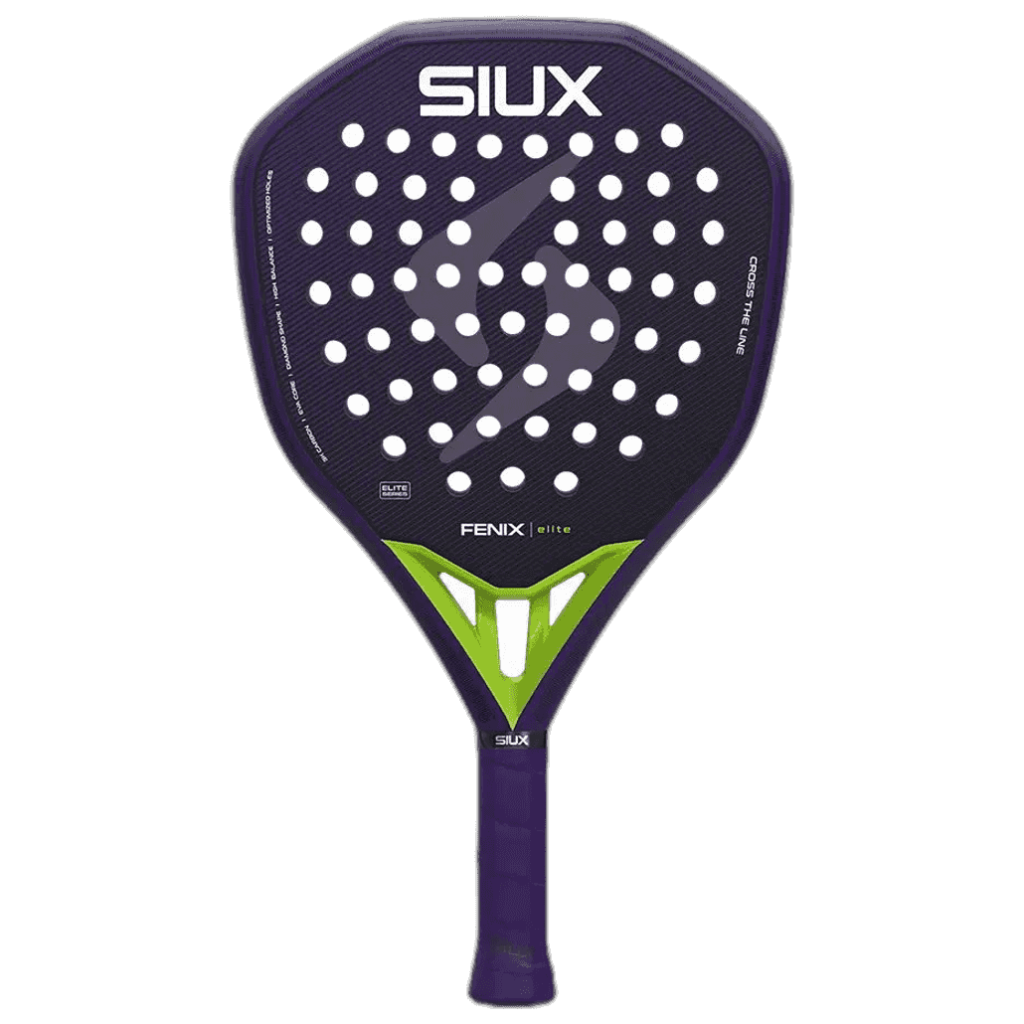
Teardrop (or “hybrid”) rackets sit in the middle, balancing power and control. They’re the most versatile shape and the safest choice for improving players. Look at the SIUX Fenix Pro 2026 or SIUX Fenix Elite 2026.
How to decide in 30 seconds
- New to padel or want comfort? Choose a round, control racket.
- Improving and want versatility? Choose a teardrop.
- Advanced and aggressive at the net? Choose a diamond, power racket.
Don’t forget weight and core
Even a power racket can feel controllable if it’s lighter with a softer core, and a control racket can pack a punch with a firmer core. For the full breakdown, see our guide on how to choose a padel racket.
Let RacketBot match your style
Still torn between control and power? Our free RacketBot tool reads your style and level and recommends the ideal shape. Or browse the full padel rackets collection to compare options side by side. For the official equipment standards, see the International Padel Federation.