They look like cousins, but padel vs tennis is a tale of two very different sports. Padel is faster to learn, more social and built around clever tactics rather than raw power. If you’re coming from tennis — or just curious — here are the seven differences that matter most.
1. The court is smaller and walls are in play
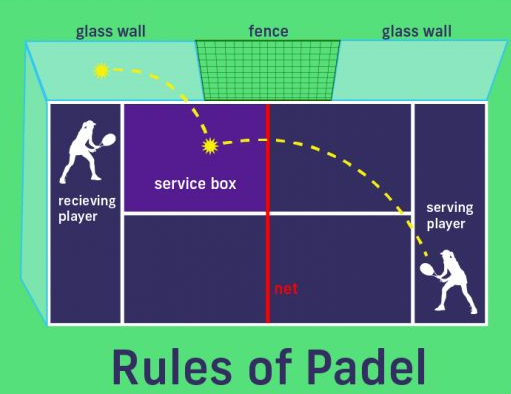
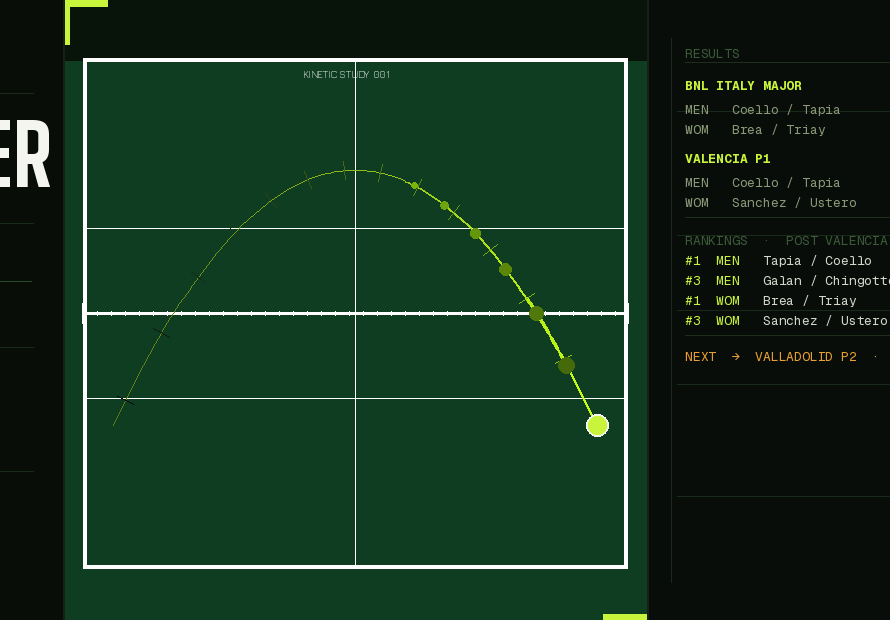
A padel court is roughly a third the size of a tennis court and enclosed by glass and mesh walls. Crucially, the walls are part of the game: the ball can bounce off them, much like squash. This rewards positioning and anticipation over sheer speed.
2. The racket has no strings
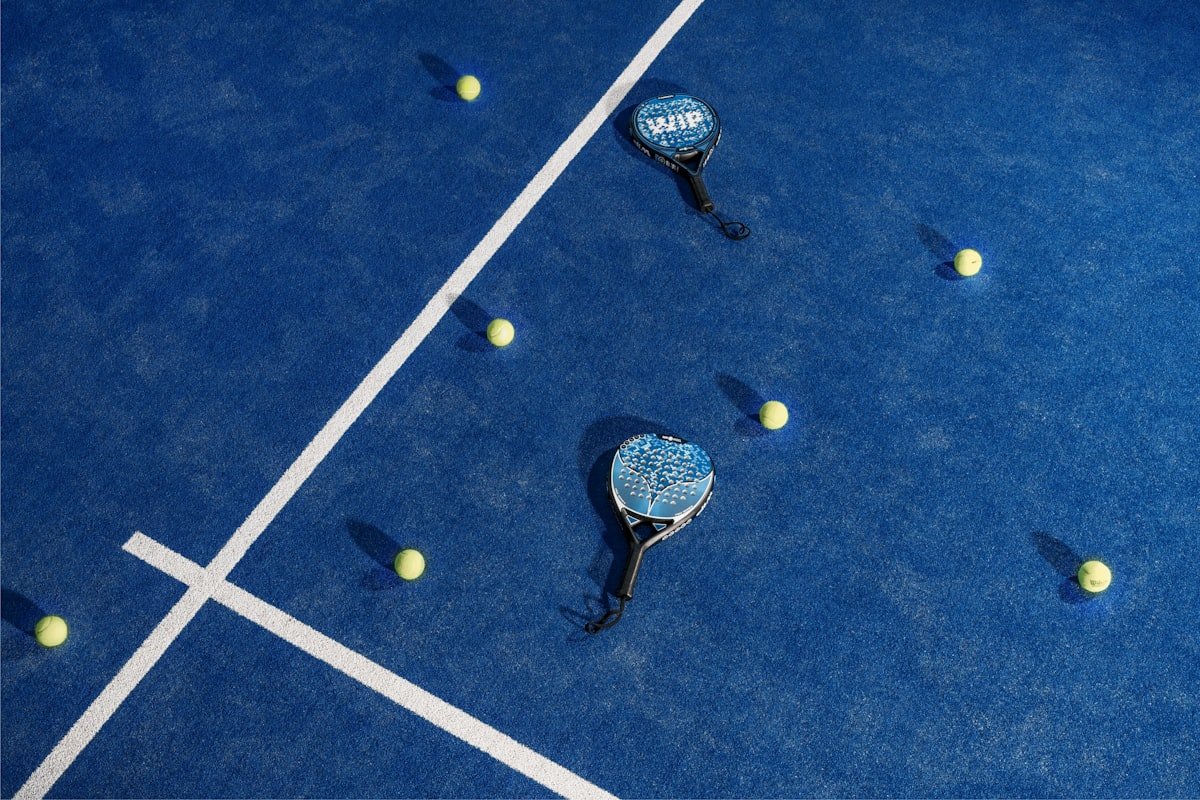
Padel rackets are solid, stringless and perforated, made from carbon, fibreglass and EVA foam. They’re shorter and easier to control than a strung tennis racket — which is a big reason beginners get rallies going so quickly. Explore the difference in our padel rackets collection.
3. You always play doubles
Padel is almost always played 2-v-2, making it inherently social. Teamwork, communication and court coverage matter as much as individual skill — perfect for friends and families.
4. Serving is underarm
Forget the booming tennis serve. In padel you serve underarm, bouncing the ball first. This levels the playing field and keeps points competitive from the very first shot. Our guide to padel rules covers serving in detail.
5. Scoring is familiar — with a twist
Padel uses the same 15-30-40-game scoring as tennis, so tennis players feel at home. The difference lies in how points are constructed: longer rallies, more lobs, and tactical use of the walls.
6. It’s easier on the body
The smaller court means less running and lower impact, making padel accessible across all ages and fitness levels. Lighter rackets also reduce strain — though good padel shoes still matter for grip and ankle support.
7. The learning curve is gentler
Most people can rally and enjoy a game within their first session — something that takes far longer in tennis. That instant fun factor is why padel is one of the fastest-growing sports worldwide, as documented by the sport’s global governing history.
Which should you play?
If you want quick wins, social games and tactical depth, padel is hard to beat. Tennis still rules for solo competition and big-serve power. The good news: skills transfer both ways, and many players happily do both.
Ready to try padel?
Start with our beginner explainer on what padel is and how to play it, then pick a forgiving first racket from our beginner racket guide. Need a personal recommendation? Try RacketBot — free, in two minutes.